
Why the Biochemical Model of Medicine Cannot Explain Chronic Illness
Modern medicine emerged during one of the most extraordinary periods of scientific discovery in human history.
The identification of bacteria, the discovery of antibiotics, advances in surgery, emergency medicine, and pharmaceutical chemistry transformed healthcare completely.
For the first time, physicians could directly intervene against diseases that had devastated humanity for centuries. Infections that once routinely killed people could suddenly be stopped. Acute suffering could be interrupted quickly and effectively.

The impact of these discoveries shaped the direction of modern medicine.
And perhaps no discovery influenced medical thinking more profoundly than antibiotics.
The extraordinary success of antibiotics reinforced the belief that disease itself could be conquered through targeted biochemical intervention, the medical equivalent of a “magic bullet.”
If one disease process could be interrupted through precise biochemical targeting, then perhaps all disease could eventually be understood and treated the same way.
That assumption became deeply embedded into medicine itself.
Reductionism and the Modern Medical Model
At the center of this scientific revolution was reductionism: the strategy of isolating smaller and smaller components of biology in order to study them individually.
Reductionism was enormously powerful.
Without it, modern microbiology, surgery, emergency medicine, and pharmacology could not have advanced as they did.
But over time, medicine gradually mistook a powerful scientific method for a complete model of life itself.
The organism became increasingly understood through isolated pathways, chemical reactions, receptors, and organs requiring targeted intervention when dysfunction appeared.
That framework worked remarkably well for acute disease.
But the science of the organism did not stop evolving.
What Biophysics Reveals
As this series has explored, biophysics reveals dimensions of organism function that the dominant biochemical model never adequately incorporated into medical thinking.
The organism is not simply chemical.
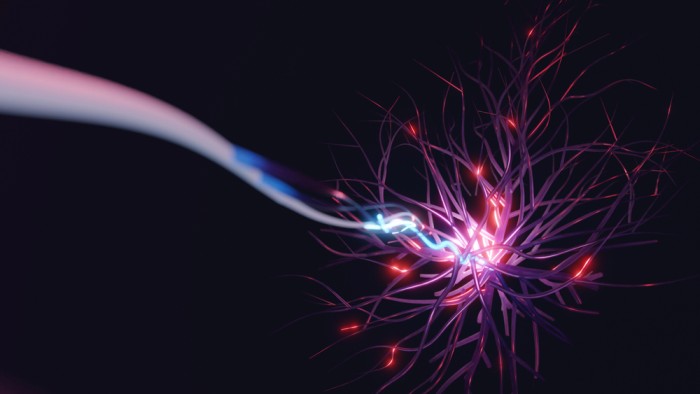
It functions through electrical signaling, rhythmic regulation, continuous communication, and organism-wide coordination occurring simultaneously across the whole system.
Timing matters.
Coherence matters.
Recovery matters.
The body continuously senses, interprets, adapts, and reorganizes itself under changing conditions.
Health depends on the organism’s ability to maintain coherent regulation across interconnected systems.
This changes the scientific picture completely.
The organism is no longer visible as a collection of parts.
It is visible as a dynamically regulated whole.
When Chronic Disease Changed the Landscape
Over the last 40 to 50 years, chronic disease has exploded throughout the industrialized world.
Unlike acute infectious disease, chronic illness rarely behaves like an isolated mechanical problem.
It develops gradually across interconnected systems and changes according to stress, sleep, circadian rhythm, environment, and the organism’s capacity for recovery and regulation.
Patients often experience multiple forms of dysfunction simultaneously while medicine continues approaching them as separate problems requiring separate interventions.
One intervention targets blood sugar.
Another targets inflammation.
Another targets mood or sleep.
The measurements may improve while the organism itself remains dysregulated.
While intervention can effectively interrupt symptoms, it does not restore coherent regulation across the organism as a whole.
The Science Evolved Beyond the Model
As systems biology and biophysics advanced, it became clear that the organism was far more dynamically integrated and informationally organized than the dominant medical framework recognized.
The science evolved beyond the model.
Yet healthcare remains largely organized around pharmaceutical intervention and isolated pathway management.

The success of acute care medicine reinforced the assumption that disease could be solved through increasingly precise biochemical intervention.
But chronic disease exposed the limitations of applying that framework to conditions rooted in organism-wide dysregulation.
Chronic illness does not primarily reflect isolated pathway failure.
It reflects breakdown in communication, adaptation, timing, recovery, and coordinated regulation across the organism as a whole.
Biophysics reveals an entire dimension of organism function that modern medicine has not incorporated into its understanding of health and disease.
The Implications of the Science
Once the organism is understood as electrical, rhythmic, adaptive, and informational, medicine itself begins to look different.
Health can no longer be understood as the suppression of symptoms or the management of isolated biochemical measurements.
The future of healthcare depends on understanding how to restore coherent regulation across the organism as a whole.
The science of the organism evolved beyond the framework upon which modern medicine was constructed.
Healthcare must evolve with it.
In Part 7, we will explore what this evolution in medical thinking means for the future of health and healing.