
The First Five #1 The Body’s Ability to Heal Itself: What Nature Has Always Known
Can the Body Heal Itself? What Nature Keeps Trying to Tell Us
Your body has been trying to heal itself this entire time.
Not metaphorically. Literally, right now, as you read this, your cells are repairing damage, your immune system is neutralizing threats, and your gut lining is regenerating. This is not a feature you have to unlock. It’s the default setting.
So why are so many of us still sick?
I’ve been asking that question for over 30 years. I’m 72 now and planning to reach 120, not because I’m naive about biology, but because I’ve seen what happens when you stop fighting the body and start working with it.
Nature has always known this. Watch a forest recover after a fire. Watch a river reclaim its banks after a flood. Watch Mount St. Helens, devastated by the worst volcanic eruption in modern American history, slowly and stubbornly come back to life.
The body does the same thing. It always has.
The only question worth asking is: are we helping, or are we in the way?
Your Body Is Designed to Heal
Your body is not passive. It is constantly working to repair, recover, and restore balance. This isn’t theory. It’s happening inside you right now.
- Cuts and wounds healing. When you get a cut, your body immediately begins repairing tissue. Blood clots form, new cells regenerate, and within days, the skin rebuilds itself—without you consciously doing anything.
- Bones repairing after injury. Even broken bones can heal. The body creates new bone tissue, reconnecting what was damaged. Given the right conditions, the body restores structure and strength over time.
- Your immune system fighting infection. When bacteria or viruses enter your body, your immune system identifies and attacks them. Fever, inflammation, and fatigue aren’t problems—they’re signs your body is actively healing.
- Gut recovery and regeneration. Your digestive system constantly renews itself. The gut lining can repair and regenerate, especially when supported with proper nutrition and reduced stress.
These are not rare events. They are normal biological processes. Your body is designed to heal—and it’s been doing it long before modern medicine arrived.
What Mount St. Helens Taught Me About Healing

Nature shows us an amazing capacity for repair, recovery, and adaptation. I spend a week each summer with four college friends—we’ve been gathering for years, bonded by our love of card games, board games, and frisbee golf.
One of those friends lives in Vancouver, WA, just outside Portland. A few years back, we took a day trip to see Mount St. Helens—the site of the worst volcanic eruption in this country in our lifetimes.
The visitor center at the epicenter of the 1980 explosion still looks like a wasteland. But the surrounding area? It’s a thriving young forest.
Nature’s ability to repair, recover, and adapt to an environment that was completely devastated is beyond impressive.
The biodiversity in that blast zone is on full display. Individual species of plants, insects, and animals—each with their own survival skills—have collectively returned most of the area to what existed before the eruption. You can see nature’s healing ability everywhere: from Chernobyl to massive oil spills to forest fires that burn hundreds of thousands of acres.
Nature always surprises scientists with how quickly it finds a way to heal.
Just like the body’s ability to heal itself often surprises us.
The Body as Part of Nature
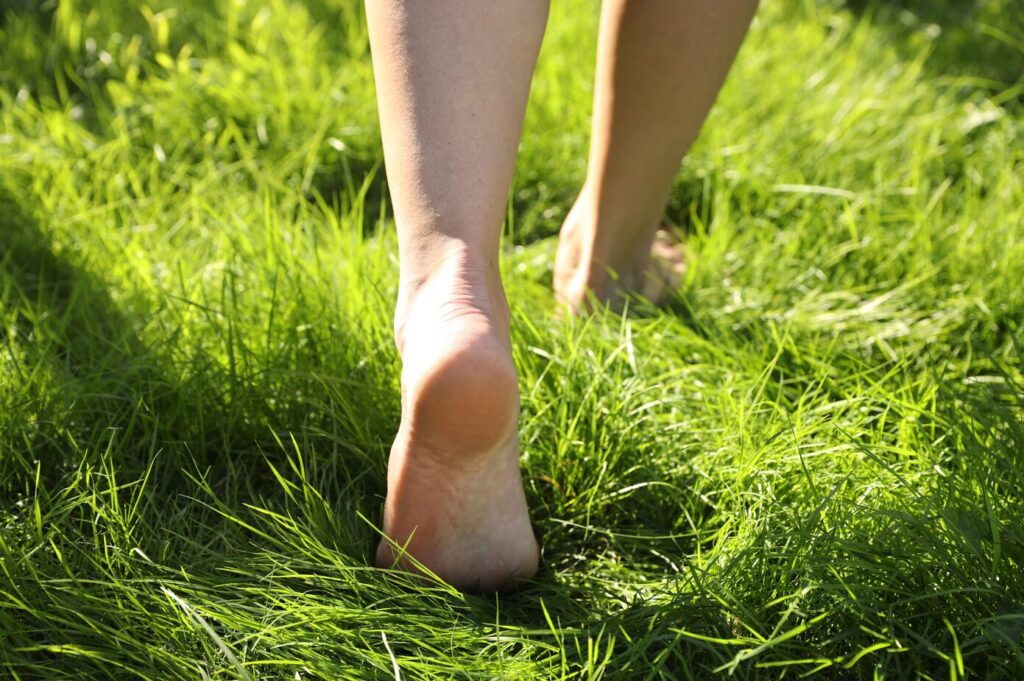
Here’s the thing: our bodies are part of nature too.
As in nature, the macro—so in the body, the micro.
Your body has the same skills of repair, recovery, and adaptation that we see all around us. But too often, modern medicine ignores this wisdom.
We visit our doctors when something goes wrong, and what do they reach for?
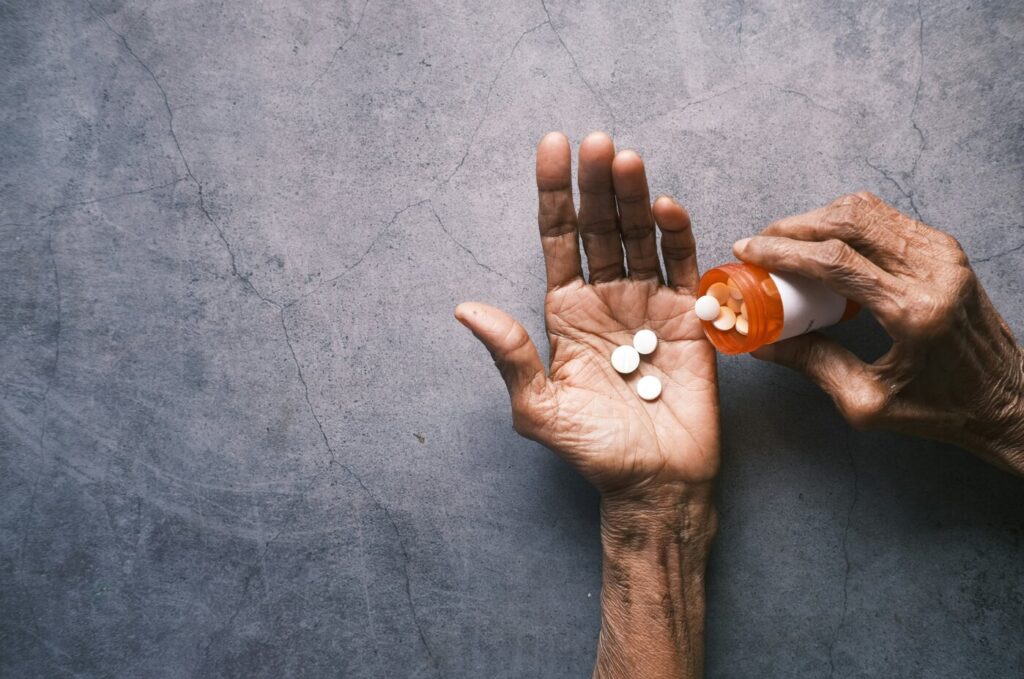
A drug.
A substance foreign to our bodies—designed to suppress a symptom rather than heal the underlying disease.
I was fortunate to discover a completely different approach early in my career. In the early 1990s, I helped start a nutritional supplement company. My role was in sales, and our target markets were natural and functional medicine doctors. Through that work, I was introduced to a healing philosophy that honors the body’s ability to heal itself.
I learned a completely different framework for understanding what causes disease—and what it actually takes to recover from illness. The products and protocols I worked with were designed to support the body’s inherent abilities of repair, recovery, and adaptation. Not override them.
Why Modern Medicine Focuses on Symptoms
Modern medicine has achieved incredible things—especially in emergency care. But when it comes to chronic conditions, the approach is often different.
Instead of supporting the body’s natural healing processes, the system tends to prioritize symptom management.
- A headache is treated with pain relief.
- Inflammation is suppressed.
- Symptoms are controlled—but the underlying imbalance may remain.
This doesn’t mean rejecting medicine. It means recognizing something important: the body itself is the primary healing system. The goal should be to work with it—not against it.
Modern medicine often manages symptoms. True healing happens when the body is supported.
How to Support Your Body’s Ability to Heal
Your body wants to heal. That much is clear. What it needs from you is the right environment to do it.
In The First Five #2, I’ll explore homeostasis—the energy of balance that fuels this healing process—and how you can work with it to restore your health from the inside out.
Read next:
The First Five #2 Homeostasis and the Power of Natural Healing