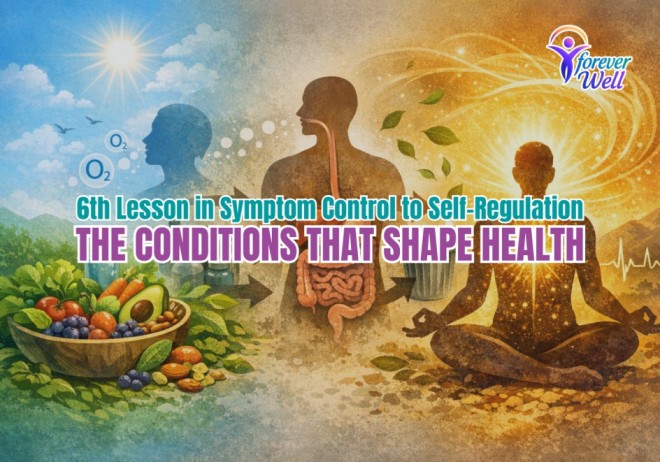

If the conditions surrounding the body shape health, where does the body interact most directly with those conditions?
One of the most important places is the digestive system.
Every day, the human organism interacts with the external world through the substances it consumes, food, water, microbes, and environmental compounds that enter the body through the digestive tract.
In this sense, digestion represents one of the primary interfaces between the organism and its environment.
Everything that becomes part of the body must pass through this gateway.
The Digestive Gateway
Earlier in this series, we noted an important biological fact: the contents of the digestive tract remain outside the body until nutrients pass through the intestinal lining and enter the bloodstream.
Only then do they truly become part of the organism.
This distinction highlights the remarkable role the digestive system plays in regulating what enters the body.
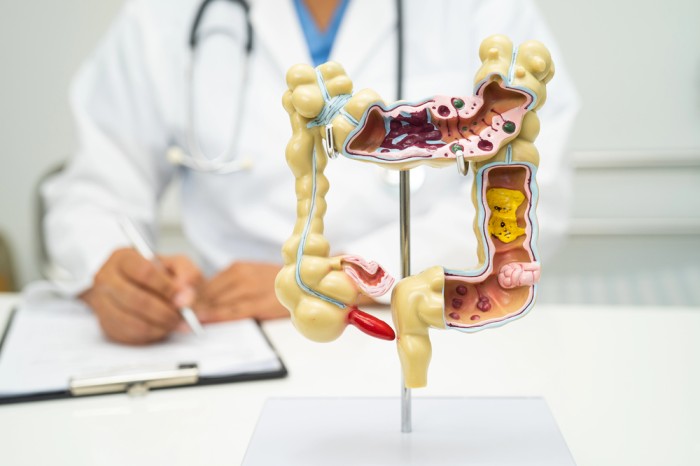
The digestive tract is not simply a tube through which food passes. It is an active and highly regulated system that performs several essential functions at once:
• breaking down food into absorbable nutrients
• regulating the absorption of those nutrients
• preventing harmful substances from entering the bloodstream
• interacting continuously with the immune system
• communicating with the nervous system
Through these processes, the digestive system helps determine what becomes part of the body and what must remain outside it.
Digestion and Regulatory Balance
Because digestion influences nutrient availability, immune signaling, metabolic activity, and neurological communication, disturbances in digestive function often ripple outward into many other regulatory systems.
A person experiencing digestive discomfort may also notice changes in energy levels, mood, sleep quality, or immune resilience.
This interconnectedness reflects the role digestion plays in maintaining the body’s internal environment.
When digestion functions effectively, nutrients are absorbed efficiently and regulatory systems receive the resources they need to maintain balance.

When digestive processes become impaired, regulatory networks begin compensating for disruptions in nutrient absorption, microbial signaling, or immune activity.
Over time, these compensations can contribute to broader patterns of regulatory strain.
A Distributed Intelligence
Researchers studying the digestive system have discovered that the gut contains an extensive network of neurons capable of coordinating many aspects of digestion with a significant degree of autonomy.
This network, known as the enteric nervous system, works in concert with the central nervous system in the upper digestive tract, but much of intestinal digestion proceeds under local enteric control once food moves beyond the stomach.

At the same time, the enteric nervous system communicates continuously with the central nervous system, allowing signals to flow in both directions.
This distributed organization helps explain familiar experiences such as changes in digestion during periods of stress, as well as the influence of digestive health on mood and overall well-being.
It also reflects a broader principle introduced earlier in this series:
The body does not rely on a single control center. Regulation is distributed across multiple interacting systems.
A Central but Often Overlooked System
Despite its central role in human biology, digestive function has historically received less attention within the conventional medical model when addressing chronic illness.
Modern medicine has made extraordinary progress in diagnosing and treating diseases of the digestive tract, such as ulcers, infections, inflammatory bowel disease, and structural disorders.
But outside of clearly defined disease states, disturbances in digestion are often treated primarily as localized discomforts rather than as potential signals of broader regulatory imbalance.
This pattern can be seen in another way as well. Many commonly used medications list digestive disturbances, such as nausea, reflux, constipation, or changes in bowel habits, as side effects.

These effects are often treated as secondary concerns. Yet they reflect the sensitivity of the digestive system and its close integration with the body’s regulatory networks.
From a systems perspective, digestion is not simply one organ system among many. It is one of the primary gateways through which the organism interacts with the external environment.
Because of this role, disturbances in digestive function may influence many other regulatory systems throughout the body.
Digestion as an Environmental Interface
Food is more than fuel.
It represents one of the most consistent and powerful environmental influences on human biology.
Every meal introduces nutrients, microbes, and chemical compounds that interact with digestive tissues, immune cells, and microbial communities within the gut.

These interactions send signals throughout the body, affecting metabolism, immune activity, and neurological communication.
Over time, the quality of these inputs helps shape the internal environment in which the body’s regulatory systems operate.
A Real-World Example
A current development in medicine helps illustrate both the power and complexity of the digestive system as a regulatory interface.
New medications that influence appetite signaling have produced dramatic weight loss in many individuals. Their effectiveness highlights how strongly the body’s regulatory systems respond when key signaling pathways are altered.

At the same time, these developments raise important questions.
Because these interventions act through systems closely tied to digestion, metabolism, immune, and energy regulation, their long-term effects on the body’s regulatory balance are still being explored.
The observation that weight often returns when the medication is discontinued suggests that underlying regulatory patterns may remain unchanged.
From a systems perspective, this distinction is important.
Lasting change in health often reflects a shift in the underlying conditions that shape the body’s regulatory systems, not only a temporary alteration in one pathway.
The Emerging View
In recent years, research into the microbiome, the vast community of microbes living within the digestive tract, has further expanded our understanding of this interface.
These microbial communities participate in digestion, influence immune regulation, and produce signaling molecules that affect metabolic and neurological function.
Although research in this field is still evolving, it reinforces an important principle:
The digestive system does far more than process food.
It serves as a dynamic communication hub between the organism and its environment.
Looking Ahead
Understanding digestion as a central interface between the body and its environment helps clarify why disturbances in digestive function can influence so many aspects of health.
It also helps explain why restoring digestive balance often becomes an important step in supporting the body’s regulatory systems.
In the next chapter, we will explore one of the most fascinating elements of this system: the microbial communities that inhabit the digestive tract and the role they play in immune regulation and chronic illness.