
How Metabolism Affects Energy and Inflammation: The Link to Chronic Illness and Overall Health
If digestion and the microbiome shape how the body interacts with its environment, how does the organism use that input to generate energy and maintain balance?
The answer lies in metabolism.
Metabolism refers to the processes through which the body converts nutrients into energy and uses that energy to sustain life.
Every function we have explored in this series, digestion, immune activity, neurological signaling, and tissue repair, depends on the body’s ability to generate and use energy effectively.
Without energy, regulation cannot occur.
Energy as the Foundation of Regulation
Earlier we introduced the concept of vitality as the organism’s capacity to generate, organize, and use biological energy.
Metabolism is the primary means by which that energy is produced.
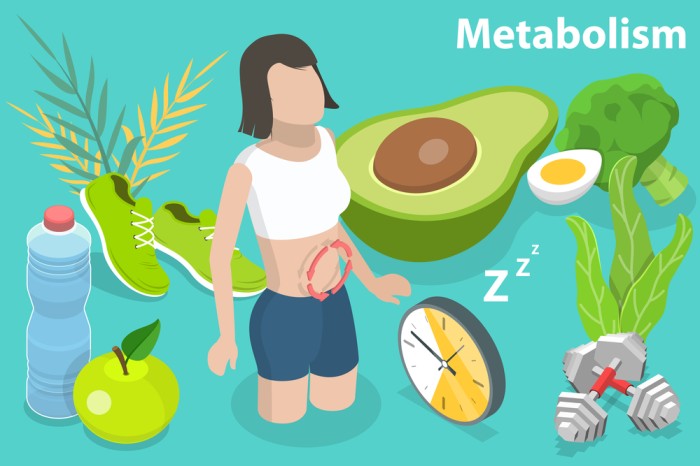
Within each cell, structures known as mitochondria convert nutrients and oxygen into usable energy.
This energy fuels:
- cellular repair
- immune responses
- neurological activity
- hormonal signaling
- digestive function
When energy production is efficient and well-regulated, the body’s systems function smoothly.
When energy production becomes impaired, the organism’s ability to maintain balance becomes strained.
Beyond Biochemistry: A Deeper Look at Energy
Much of modern science has approached energy production through the lens of biochemistry, examining how nutrients are converted into cellular energy through metabolic pathways.
These discoveries have been essential in helping us understand how the body generates fuel for its functions.
At the same time, emerging work in biophysics suggests that this may be only part of the story.
Researchers are beginning to explore how biological energy is organized and coordinated across living systems, how it moves, how it is distributed, and how it contributes to the organism’s overall coherence and vitality.

While this field is still evolving, its implications are significant. If we are to develop a more complete and effective model of health, we will need to incorporate these insights into how we understand the human organism.
This emerging view suggests that vitality is not only a product of biochemical processes, but also of how energy is organized and coordinated within the body, how it relates to regulation, resilience, and overall coherence.
These ideas extend beyond the scope of this lesson, but they point toward an important frontier, one that may help individuals better understand how their daily lives influence the body’s capacity to maintain balance and vitality.
This will be the subject of a future series exploring the role of biophysics in health and healing.
Metabolic Flexibility
A healthy organism is not locked into a single metabolic state.
It is flexible.
Metabolic flexibility refers to the body’s ability to adapt its energy production based on changing conditions:
- shifting between fuel sources
- responding to periods of activity and rest
- adjusting to variations in nutrient availability

This flexibility allows the organism to maintain stable function across a wide range of conditions.
When metabolic flexibility is reduced, the body becomes less adaptable.
Energy production may become less efficient, and regulatory systems begin to experience strain.
Inflammation as a Regulatory Process
Inflammation is often viewed as something harmful.
But in reality, inflammation is a normal and necessary part of the body’s regulatory system.
It plays a role in:
- defending against infection
- repairing damaged tissue
- coordinating immune responses
In the short term, inflammation is protective.
It is part of how the organism responds to challenges.
When Inflammation Persists
Problems arise when inflammatory signaling remains active for extended periods.
Chronic, low-grade inflammation can develop when regulatory systems are under sustained strain.
This can occur in response to:
- ongoing environmental pressures
- disturbances in digestion and the microbiome
- metabolic dysfunction
- persistent stress
When inflammation becomes prolonged, it begins to interfere with normal regulatory processes.

Energy may be diverted toward ongoing immune activity.
Tissues may not repair efficiently.
Communication between systems becomes less coordinated.
Over time, this pattern contributes to the development of chronic illness.
The Connection Between Energy and Inflammation
Energy metabolism and inflammation are closely linked.
Inflammatory processes require energy.
At the same time, chronic inflammation can disrupt energy production.
This creates a reinforcing cycle:
- impaired metabolism contributes to increased inflammation
- increased inflammation further impairs metabolic function
As this cycle continues, the organism becomes less able to maintain regulatory balance.
A Systems Perspective on Chronic Illness
From a systems perspective, chronic illness often reflects disturbances in:
- energy production
- metabolic regulation
- inflammatory signaling
These disturbances are not isolated events.
They are connected to the broader patterns we have explored:
- digestive function
- microbiome balance
- environmental inputs
- regulatory capacity
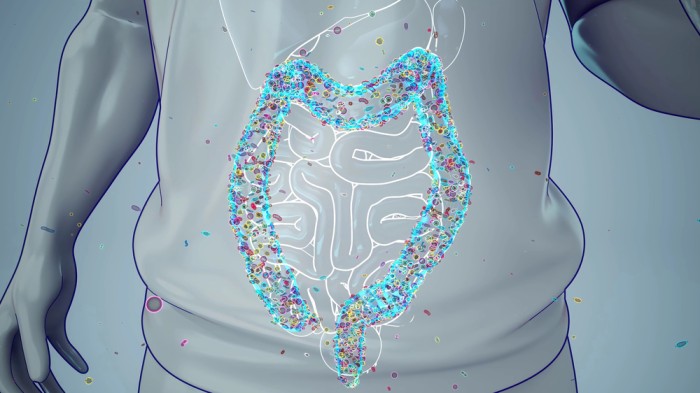
This is why chronic illness can be difficult to address through approaches that focus on a single pathway or symptom.
A Converging Understanding
This way of thinking has been developing quietly for decades.
Physicians working within naturopathic medicine, and later within the emerging field of functional medicine, have long observed that many chronic conditions share common underlying patterns.
Sidney Baker, MD, for example, described how disturbances such as oxidative stress, impaired detoxification capacity, chronic inflammation, and disrupted energy metabolism appear repeatedly across a wide range of illnesses.
While the language may differ, the principle is the same: chronic illness often reflects dysfunction in fundamental regulatory processes rather than isolated disease categories.
Bringing the Pieces Together
At this point in the series, several key ideas converge.
The organism is a network of regulatory systems.
The digestive system and microbiome shape how the body interacts with its environment.
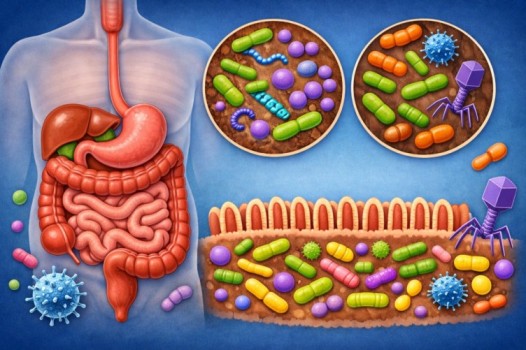
Metabolism determines how the body generates and uses energy.
Inflammation reflects how the body responds to challenges.
When these systems are balanced and coordinated, health emerges.
When they are disrupted and forced into prolonged compensation, patterns of chronic illness develop.
Looking Ahead
Understanding energy, metabolism, and inflammation helps complete the picture of how the body’s regulatory systems function together.
It also reinforces a central theme of this series:
Health is not simply the absence of disease. It is the organism’s capacity to maintain balance across many interacting systems.
In the final lesson, we will bring these ideas together and explore what they mean for how we think about health, illness, and the future of healthcare.